
There are two main types of Renewable Gas
Green Hydrogen and Biomethane
Green Hydrogen
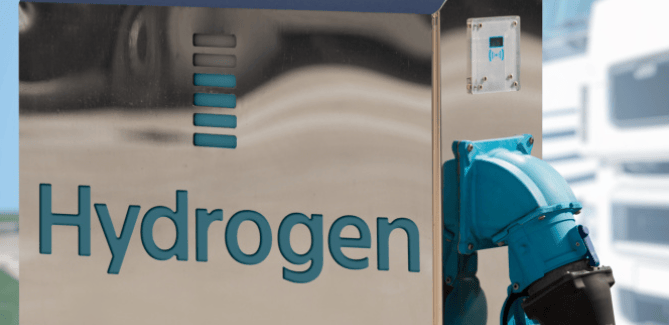
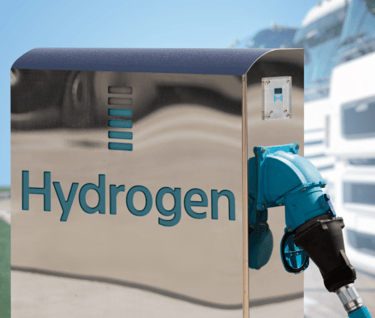
When water is electrolyzed—a process known as "electrolysis"—to separate it into hydrogen and oxygen, green hydrogen, or certified renewable power, is produced. There are no carbon emissions from this technique. Green hydrogen may be blended with natural gas and pumped into the current natural gas network, where it can be stored and made available for consumption by homes and businesses.
Green hydrogen can power fuel-cell automobiles, buses, and heavy freight trucks with enhanced range, power, and zero emissions in addition to being utilised by homes and businesses.
Biomethane
In the circular economy, trash can be recovered and used again to produce biomethane. It is made by extracting the carbon dioxide from biogas produced by the breakdown of residential, organic, and agricultural waste. By doing so, fossil fuel-derived natural gas is replaced and "waste methane" is kept out of the atmosphere. Methane waste that would have otherwise been released into the atmosphere can then be converted to energy.
Green hydrogen and biomethane can both be stored and combined with current natural gas in subterranean gas pipes.
Renewable Gas is being used around the world with remarkable success.
FUN FACTS:
UK
UK gas companies are blending up to 20% green hydrogen into natural gas pipe networks to some residential and industrial customers, and trialling 100% green hydrogen in selected areas, like the H100 Fife project*
*Source: SGN UK
Germany
Germany has over 9,500 Bio gas plants. Employing 45,000 people and producing the equivalent of 25GW of electricity. That’s enough to power over 7 million homes*
*Source: German Biogas Association
California, USA
Just one biomethane plant in California is now producing 2.26 billion cubic feet of renewable gas for thousands of homes and businesses – the equivalent of taking more than 25,000 petrol cars off the road^.
Source: ^SoCalGas, USA
CONTACT
0411 254 875

